

ALL YOU NEED TO KNOW ABOUT ACL (Anterior Cruciate Ligament) INJURY
An ACL (anterior cruciate ligament) injury is a common and potentially serious knee injury, especially among athletes and physically active individuals. It…
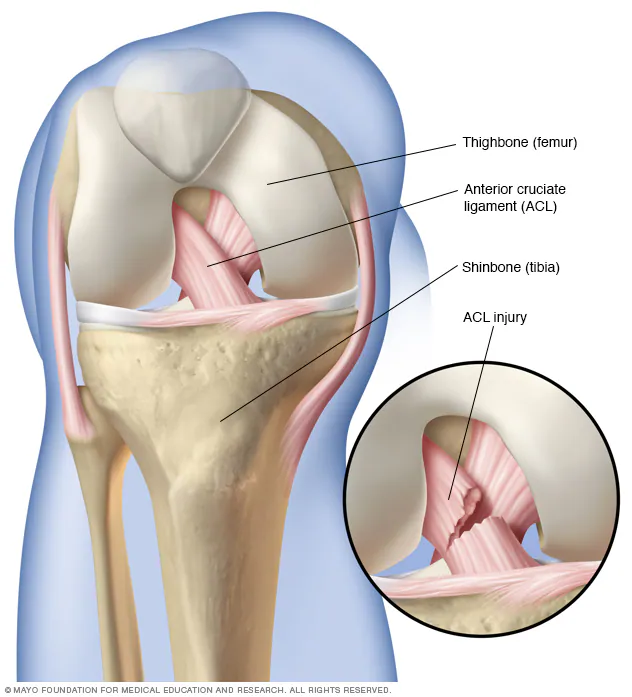
An ACL (anterior cruciate ligament) injury is a common and potentially serious knee injury, especially among athletes and physically active individuals. It often occurs during sudden twisting movements and can lead to knee instability, pain, and long-term joint damage if not properly treated.
Early diagnosis and appropriate management are essential for restoring knee stability and preventing further injury.
What Is an ACL Injury?
The anterior cruciate ligament (ACL) is one of the main stabilizing ligaments of the knee. It connects the thigh bone (femur) to the shin bone (tibia) and helps control forward movement and rotational stability of the knee.
An ACL injury occurs when the ligament is overstretched or torn, either partially or completely.
Causes of ACL Injuries
ACL injuries commonly occur during activities that involve sudden changes in direction or force, including:
- Sudden twisting or pivoting movements
- Rapid deceleration or stopping
- Landing awkwardly from a jump
- Direct trauma to the knee, such as during sports collisions
- Road traffic accidents or falls
Sports such as football, basketball, rugby, and skiing carry a higher risk of ACL injury.
Symptoms of an ACL Injury
Common symptoms include:
- A popping sensation at the time of injury
- Immediate knee swelling
- Pain and difficulty bearing weight
- Knee instability or “giving way”
- Reduced range of motion
- Difficulty returning to sports or physical activity
Some patients may continue walking but experience recurrent instability.
How ACL Injuries Are Diagnosed
Diagnosis is based on:
- Clinical examination — special tests to assess knee stability
- X-rays — to rule out fractures or associated injuries
- MRI scan — confirms the ACL tear and identifies associated injuries such as meniscus tears or cartilage damage
MRI is the gold standard for diagnosing ACL injuries.
Types of ACL Injuries
ACL injuries are classified as:
- Grade I: Mild stretch without instability
- Grade II: Partial tear with some instability
- Grade III: Complete tear with significant knee instability
The severity of injury helps guide treatment decisions.
Treatment Options for ACL Injuries
Treatment depends on age, activity level, degree of instability, and associated injuries.
Non-Surgical Treatment
Non-operative management may be suitable for:
- Partial ACL tears
- Low-demand or sedentary individuals
- Patients without significant instability
Treatment includes:
- Physiotherapy to strengthen surrounding muscles
- Activity modification
- Knee bracing in selected cases
Surgical Treatment
Surgery is often recommended for:
- Young or active individuals
- Athletes wishing to return to sports
- Patients with recurrent knee instability
- Associated meniscus or cartilage injuries
ACL reconstruction involves replacing the torn ligament with a graft and is usually performed arthroscopically (keyhole surgery).
ACL Injury and Meniscus Damage
ACL injuries are commonly associated with meniscus tears and cartilage injuries. Untreated instability can lead to further damage and increase the risk of early knee osteoarthritis.
Timely treatment helps protect long-term knee health.
Recovery and Rehabilitation
Rehabilitation is critical for recovery and includes:
- Early range-of-motion exercises
- Progressive strengthening
- Balance and coordination training
- Gradual return to sports
Return to sports typically occurs 6–9 months after surgery, depending on recovery and rehabilitation progress.
When to See an Orthopaedic Specialist
You should consult an orthopaedic specialist if:
- Knee swelling or pain persists after injury
- The knee feels unstable or gives way
- You are unable to return to sports or work
- There is a history of twisting knee injury
Early specialist assessment improves outcomes and reduces complications.
Frequently Asked Questions (FAQs)
Can an ACL tear heal on its own?
Complete ACL tears do not heal on their own. Some partial tears may be managed conservatively.
Is surgery always necessary?
No. Treatment is individualized based on symptoms, activity level, and instability.
How long does ACL surgery recovery take?
Most patients return to full activity within 6–12 months.
Can I walk with a torn ACL?
Yes, but instability may persist and worsen without treatment.
Key Takeaway
ACL injuries are serious knee injuries that can significantly affect stability and function. With proper diagnosis, individualized treatment, and structured rehabilitation, most patients achieve excellent outcomes and return to active lifestyles.
