Knee Osteoarthritis: Causes, Symptoms, Treatment, and When to See doctor.
Knee osteoarthritis is one of the most common causes of knee pain and disability in adults, especially after the age of 40….

Knee osteoarthritis is one of the most common causes of knee pain and disability in adults, especially after the age of 40. It occurs when the protective cartilage in the knee joint gradually wears away, leading to pain, stiffness, and reduced mobility. Understanding the condition early can help slow its progression and improve quality of life.
What Is Knee Osteoarthritis?
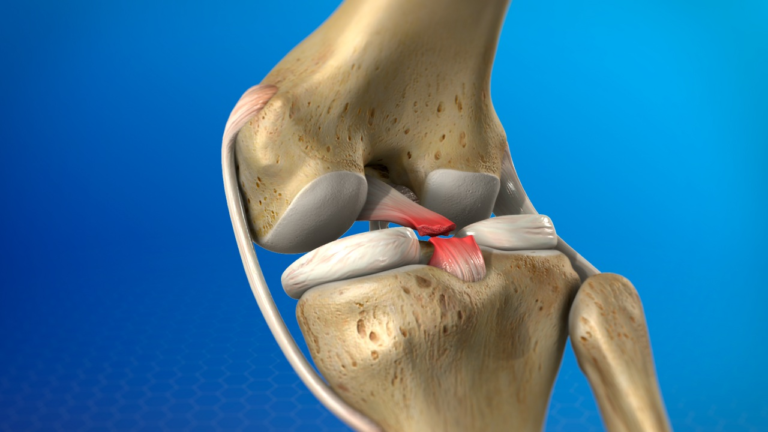
Knee osteoarthritis is a degenerative joint disease where the cartilage cushioning the bones of the knee joint breaks down over time. As the cartilage wears away, bones begin to rub against each other, causing pain, swelling, and joint stiffness.
It is a chronic condition, but symptoms can be effectively managed with proper treatment and lifestyle modifications.
Common Causes and Risk Factors
Several factors increase the risk of developing knee osteoarthritis:
- Age – risk increases with advancing age
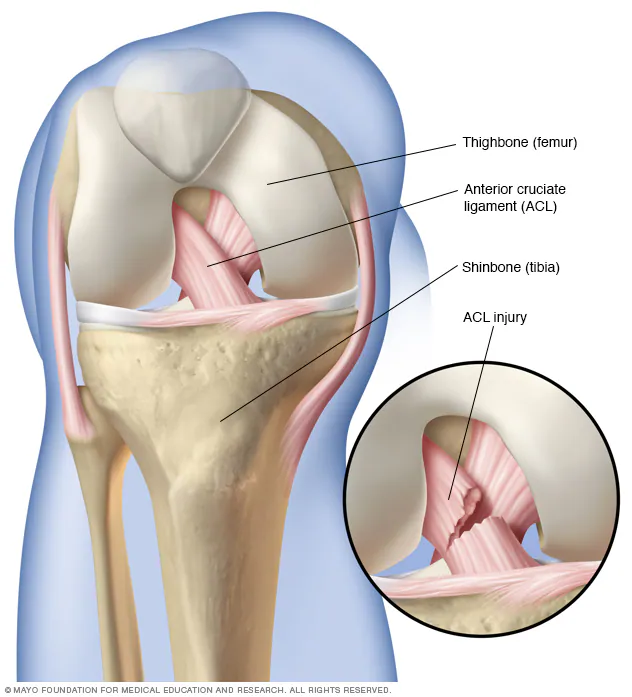
- Previous knee injury (fractures, ligament injuries, meniscus tears)
- Obesity or excess body weight (adds stress to the knee joint)
- Repetitive stress from work or sports
- Genetics and family history
- Poor knee alignment (bow legs or knock knees)
- Weak thigh muscles
Symptoms of Knee Osteoarthritis
Symptoms usually develop gradually and may worsen over time. Common symptoms include:
- Knee pain during or after activity
- Morning stiffness or stiffness after prolonged sitting
- Swelling around the knee
- Reduced range of motion
- Grinding or cracking sensation (crepitus)
- Difficulty walking, climbing stairs, or squatting
- Knee deformity in advanced cases
How Knee Osteoarthritis Is Diagnosed
Diagnosis involves a combination of:
- Clinical examination – assessing pain, swelling, movement, and alignment
- X-rays – show joint space narrowing, bone spurs, and deformity
- MRI scans – used selectively to assess cartilage, meniscus, or ligaments
- Blood tests – mainly to rule out inflammatory arthritis when suspected
Treatment Options for Knee Osteoarthritis
Treatment is tailored to symptom severity, age, activity level, and overall health.
Non-Surgical (First-Line Treatment)
Most patients benefit from conservative management, including:
- Weight reduction
- Physiotherapy (strengthening quadriceps and hip muscles)
- Activity modification
- Pain relievers such as paracetamol or NSAIDs
- Knee braces or walking aids
- Lifestyle changes and low-impact exercise (swimming, cycling)
Injection Therapy
When pain persists despite conservative care, injections may help:
- Corticosteroid injections – reduce inflammation and pain
- Hyaluronic acid injections – improve joint lubrication
- Platelet-rich plasma (PRP) – may help selected patients
Surgical Treatment
Surgery is considered when pain severely affects daily life:
- Arthroscopy – limited role in advanced osteoarthritis
- Osteotomy – for younger patients with knee malalignment
- Partial knee replacement – when only one compartment is affected
- Total knee replacement – for advanced, debilitating osteoarthritis
When to See an Orthopaedic Specialist
You should consult an orthopaedic specialist if:
- Knee pain persists despite medication and physiotherapy
- Pain interferes with sleep or daily activities
- The knee frequently swells or locks
- Walking distance is significantly reduced
- There is progressive knee deformity
Early specialist review allows timely intervention and prevents unnecessary joint damage.
Frequently Asked Questions (FAQs)
Is knee osteoarthritis reversible?
No. The condition is not reversible, but symptoms can be well controlled with proper treatment.
Can exercise worsen knee osteoarthritis?
Appropriate low-impact exercise actually helps reduce pain and improve function.
At what age does knee osteoarthritis start?
It commonly starts after 40 years but may occur earlier after knee injuries.
Does everyone with knee osteoarthritis need surgery?
No. Most patients manage well with non-surgical treatment.
Key Takeaway
Knee osteoarthritis is a common but manageable condition. Early diagnosis, lifestyle changes, and appropriate treatment can significantly reduce pain and maintain mobility. If symptoms worsen or limit your daily activities, consult an orthopaedic specialist for a personalized treatment plan.