

Meniscus Tear: Causes, Symptoms, Diagnosis, and Treatment Options
A meniscus tear is one of the most common knee injuries and a frequent cause of knee pain, swelling, and locking. It…
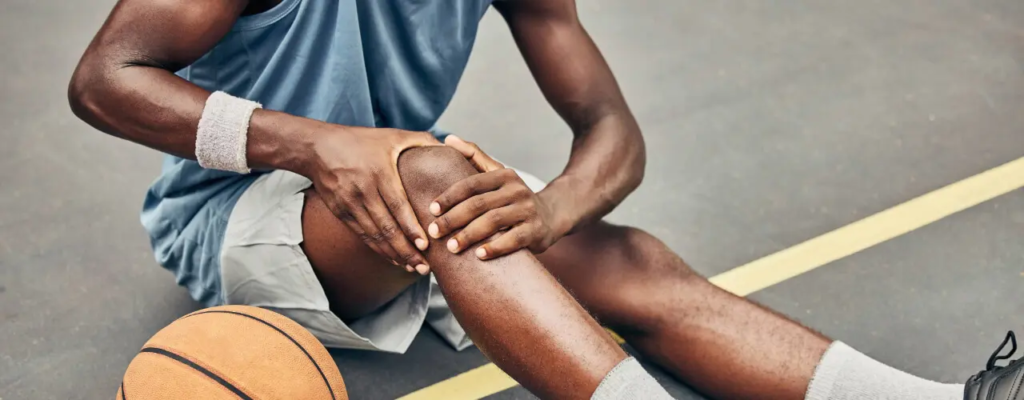
A meniscus tear is one of the most common knee injuries and a frequent cause of knee pain, swelling, and locking. It can occur suddenly during sports or gradually due to age-related degeneration. Early recognition and appropriate treatment are essential to prevent long-term knee problems.
What Is a Meniscus Tear?
The meniscus is a C-shaped cartilage in the knee joint that acts as a shock absorber between the thigh bone (femur) and the shin bone (tibia). Each knee has two menisci — the medial and lateral meniscus.
A meniscus tear occurs when this cartilage is damaged, either through trauma or gradual wear and tear.
Causes of Meniscus Tears
Meniscus tears can occur in different ways, including:
- Sudden twisting injuries, especially during sports
- Squatting or deep knee bending
- Direct trauma to the knee
- Degenerative changes in older adults
- Associated ligament injuries, such as ACL tears
In younger patients, meniscus tears are usually traumatic, while in older adults they are often degenerative.
Symptoms of a Meniscus Tear
Symptoms vary depending on the size and location of the tear. Common symptoms include:
- Knee pain, especially along the joint line
- Swelling that develops over hours or days
- Locking or catching of the knee
- Difficulty fully straightening or bending the knee
- A feeling that the knee may “give way”
- Pain during squatting, kneeling, or twisting movements
How a Meniscus Tear Is Diagnosed
Diagnosis involves:
- Clinical examination — joint line tenderness and special tests
- X-rays — to rule out fractures or arthritis
- MRI scan — the gold standard for confirming a meniscus tear and assessing associated injuries
Types of Meniscus Tears
Meniscus tears are classified based on their pattern and location, including:
- Longitudinal tears
- Radial tears
- Horizontal tears
- Bucket-handle tears
- Degenerative tears
The blood supply to the meniscus also influences healing and treatment decisions.
Treatment Options for Meniscus Tears
Treatment depends on the patient’s age, activity level, tear type, and associated injuries.
Non-Surgical Treatment
Many meniscus tears can be managed conservatively, especially degenerative tears:
- Rest and activity modification
- Ice and anti-inflammatory medication
- Physiotherapy to strengthen surrounding muscles
- Knee bracing in selected cases
Injection Therapy
In some patients, injections may help relieve symptoms:
- Corticosteroid injections for inflammation
- Hyaluronic acid injections in degenerative knees
Surgical Treatment
Surgery is considered when symptoms persist or the knee locks:
- Arthroscopic partial meniscectomy – removal of torn fragments
- Meniscus repair – suturing the tear (preferred in young, active patients)
Preserving the meniscus whenever possible reduces the risk of future knee osteoarthritis.
Meniscus Tear and Knee Osteoarthritis
Untreated or improperly managed meniscus tears can accelerate the development of knee osteoarthritis, especially when large portions of the meniscus are removed. Early diagnosis and meniscus-preserving strategies are important for long-term knee health.
When to See an Orthopaedic Specialist
You should consult an orthopaedic specialist if:
- Knee pain persists despite rest and medication
- The knee locks or catches
- Swelling keeps recurring
- You are unable to fully bend or straighten the knee
- The injury affects daily activities or sports
Frequently Asked Questions (FAQs)
Can a meniscus tear heal on its own?
Small tears in the outer part of the meniscus may heal, but many tears require treatment.
Is surgery always necessary?
No. Many patients improve with physiotherapy and activity modification.
How long does recovery take?
Recovery varies from a few weeks with conservative care to several months after surgery.
Can I walk with a meniscus tear?
Yes, but activities that worsen pain or swelling should be avoided.
Key Takeaway
Meniscus tears are common knee injuries that can cause significant discomfort and functional limitation. With proper diagnosis and individualized treatment, most patients recover well and return to normal activities.
