

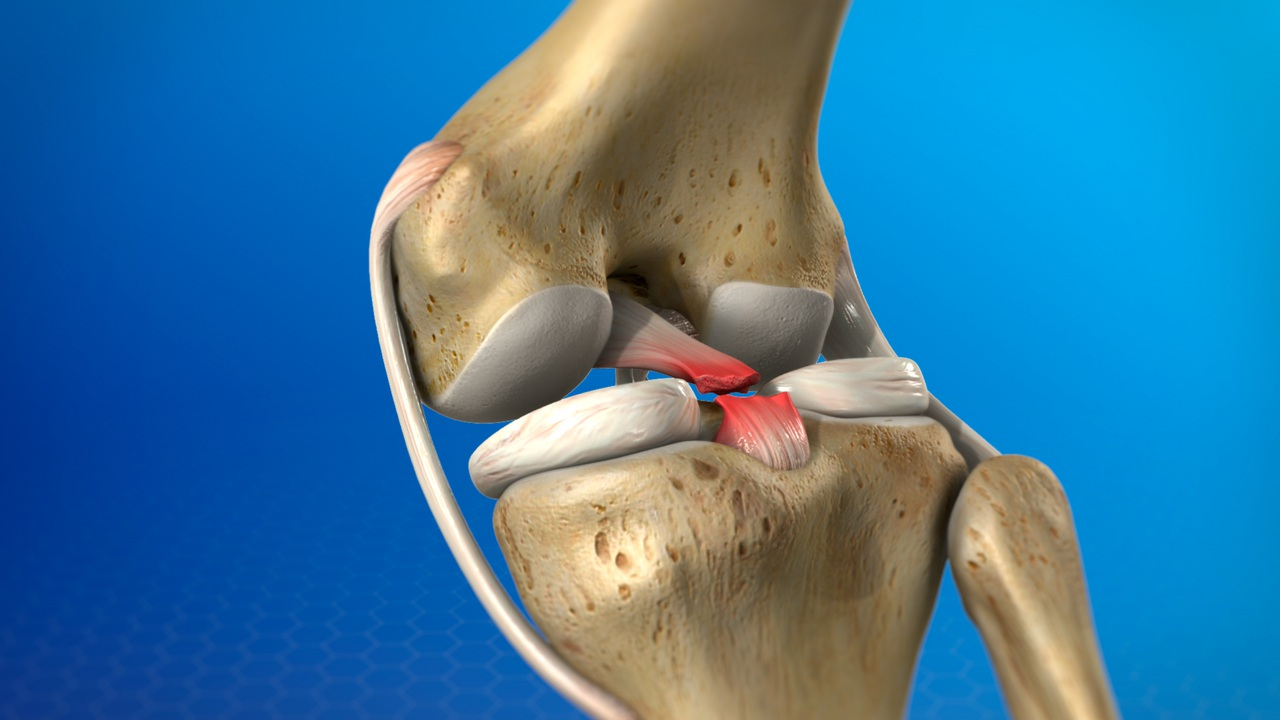
PCL (Posterior Cruciate Ligament) Injury: Causes, Symptoms, Diagnosis, and Treatment
A PCL (posterior cruciate ligament) injury is a less common but important cause of knee pain and instability. It often results from…
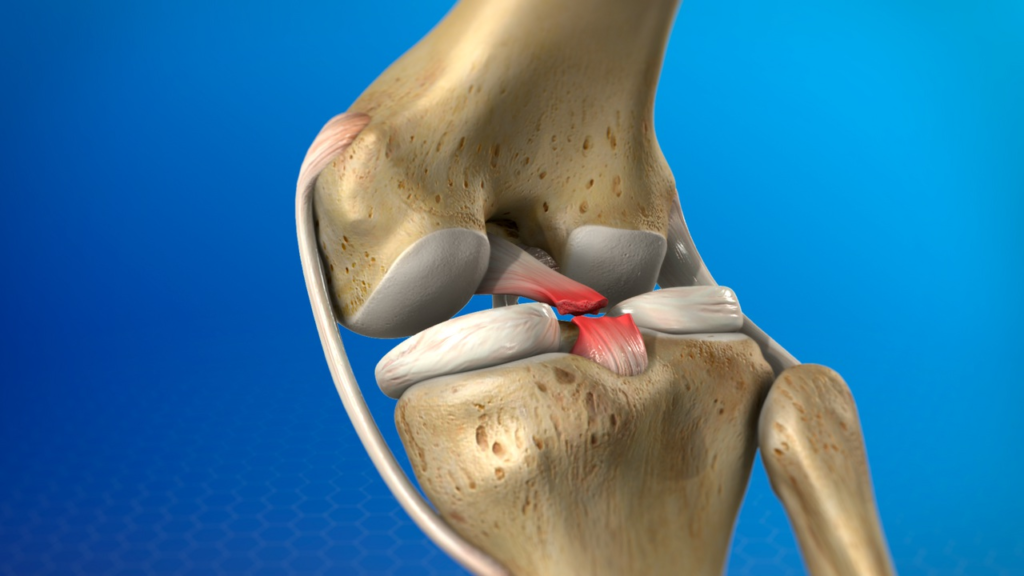
A PCL (posterior cruciate ligament) injury is a less common but important cause of knee pain and instability. It often results from direct trauma to the knee and may be overlooked during initial assessment. When properly diagnosed and treated, most patients recover well and regain good knee function.
What Is a PCL Injury?
The posterior cruciate ligament (PCL) is one of the main stabilizing ligaments of the knee. It connects the thigh bone (femur) to the shin bone (tibia) and prevents the tibia from moving backward relative to the femur.
A PCL injury occurs when this ligament is overstretched or torn, leading to posterior instability of the knee.
Causes of PCL Injuries
PCL injuries usually occur due to direct force to the front of the knee, including:
- Road traffic accidents (dashboard injury)
- Falls onto a bent knee
- Sports injuries involving direct impact
- Hyperflexion or hyperextension of the knee
- Contact sports trauma
Unlike ACL injuries, PCL injuries are less commonly caused by twisting movements.
Symptoms of a PCL Injury
Symptoms may vary depending on injury severity and include:
- Knee pain, especially at the back of the knee
- Swelling that may be mild or delayed
- Difficulty walking or descending stairs
- Knee instability or a feeling of weakness
- Reduced ability to run or participate in sports
Some patients may continue daily activities but experience persistent discomfort.
How PCL Injuries Are Diagnosed
Diagnosis involves:
- Clinical examination — assessment of posterior knee stability
- X-rays — to rule out fractures or avulsion injuries
- MRI scan — confirms PCL injury and identifies associated ligament, meniscus, or cartilage damage
MRI is the preferred imaging modality for PCL injuries.
Types of PCL Injuries
PCL injuries are classified based on severity:
- Grade I: Partial tear with minimal instability
- Grade II: Partial tear with noticeable laxity
- Grade III: Complete tear with significant posterior instability
Severity and associated injuries guide treatment decisions.
Treatment Options for PCL Injuries
Most PCL injuries can be treated non-surgically, but management is individualized.
Non-Surgical Treatment
Conservative management is appropriate for many patients and includes:
- Rest and activity modification
- Physiotherapy focused on quadriceps strengthening
- Knee bracing in selected cases
- Gradual return to activity
Isolated low-grade PCL injuries often heal well with rehabilitation.
Surgical Treatment
Surgery may be considered for:
- High-grade PCL tears
- Combined ligament injuries (e.g. PCL + ACL or PLC injuries)
- Persistent instability despite rehabilitation
- Active patients with functional limitations
PCL reconstruction is performed using tendon grafts and aims to restore knee stability.
PCL Injury and Other Knee Ligament Injuries
PCL injuries may occur alongside other ligament injuries, including ACL, MCL, or posterolateral corner injuries. Untreated instability can lead to altered knee biomechanics and increase the risk of early knee osteoarthritis.
Recovery and Rehabilitation
Rehabilitation is crucial and typically includes:
- Early controlled range-of-motion exercises
- Progressive quadriceps strengthening
- Proprioception and balance training
- Gradual return to sports and physical activity
Full recovery may take 3–6 months with conservative treatment and 6–12 months after surgery.
When to See an Orthopaedic Specialist
Consult an orthopaedic specialist if:
- Knee pain or swelling persists after trauma
- The knee feels unstable or weak
- You have difficulty walking or returning to activity
- The injury followed a road traffic accident or sports trauma
Early specialist evaluation improves outcomes.
Frequently Asked Questions (FAQs)
Can a PCL tear heal on its own?
Many isolated PCL tears can heal with proper rehabilitation.
Is surgery always necessary?
No. Most PCL injuries are treated successfully without surgery.
How long does recovery take?
Recovery ranges from a few months with physiotherapy to up to one year after surgery.
Can I walk with a PCL injury?
Yes, but pain or instability may persist without treatment.
Key Takeaway
PCL injuries are important but often under-diagnosed knee injuries. With accurate diagnosis and appropriate management, most patients achieve good functional recovery and long-term knee stability.
